
Shredder Hammers for Scrap
Metal Recycling
Alloy Steel & High Manganese Hammers for Heavy-Duty Shredders
What Shredder Hammers Do in Scrap Metal Recycling
Shredder hammers are critical wear parts used in scrap metal shredders to break down car bodies, mixed scrap, and heavy metal materials. Operating under extreme impact and tearing forces, these hammers play a key role in shredding efficiency, throughput, and overall wear life.Unlike standard crusher hammers, shredder hammers must withstand severe metal impact, high abrasion, and continuous heavy-duty operation. Proper hammer material selection is essential for wear resistance, service life, and stable shredder performance.
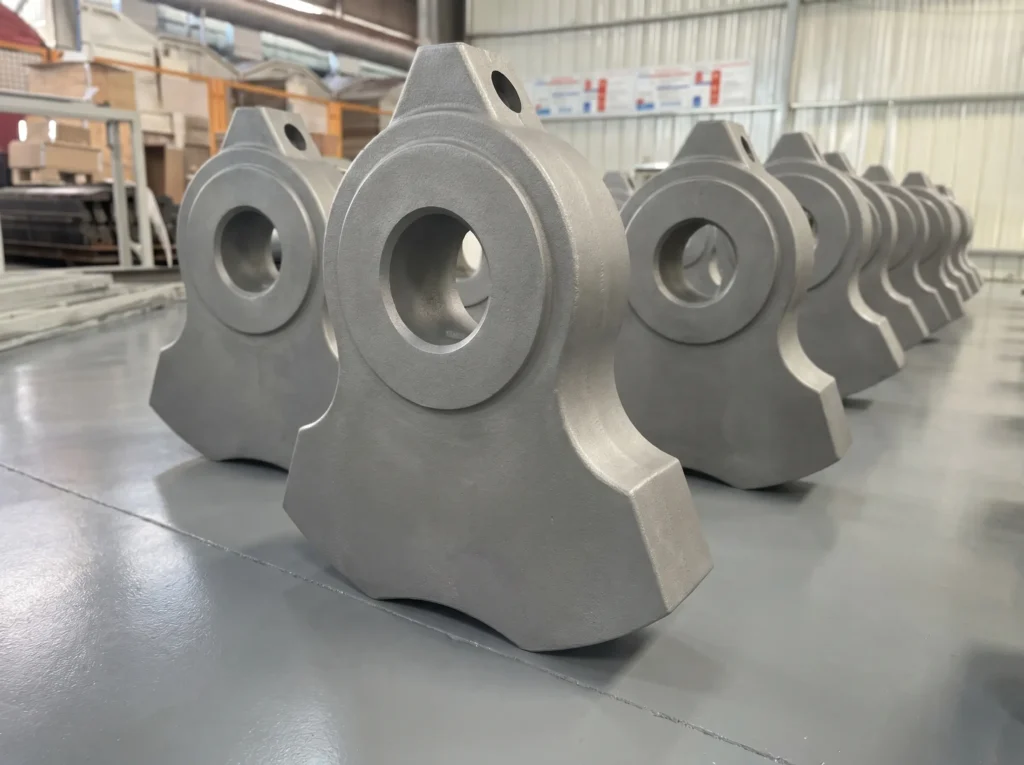
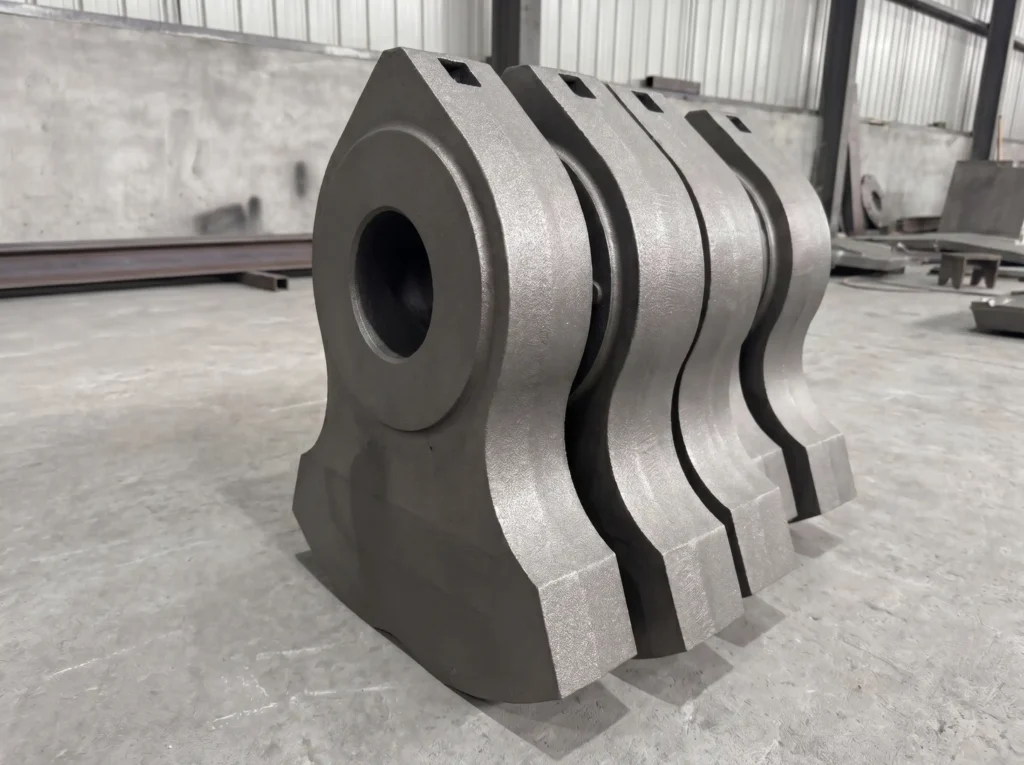
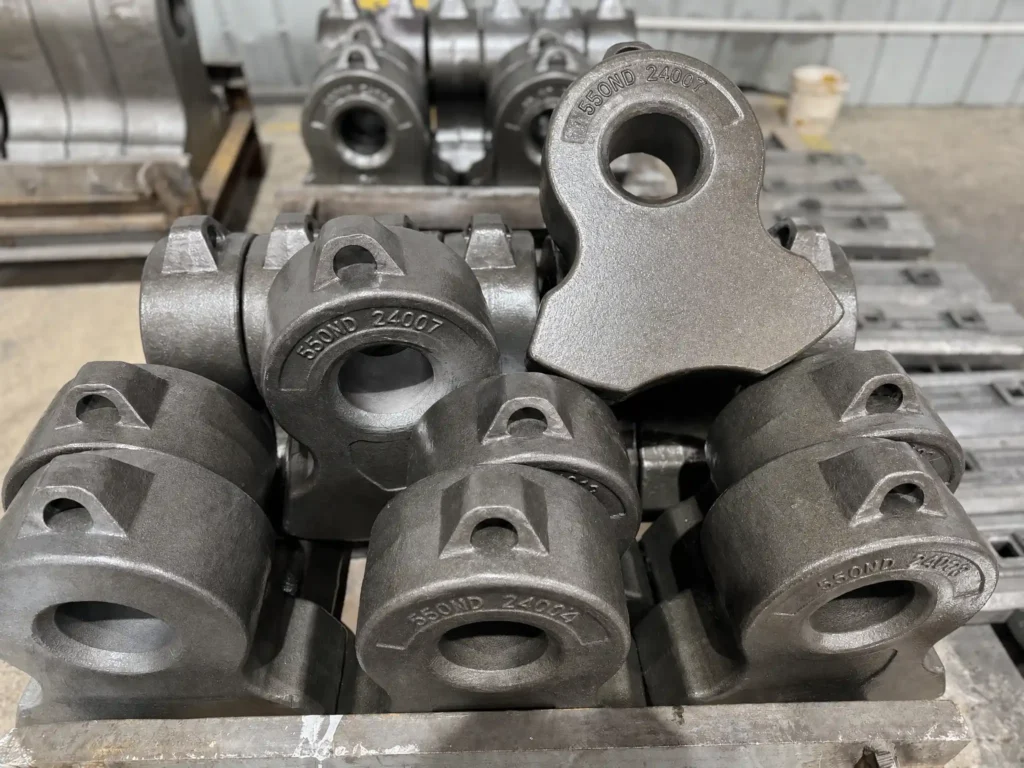
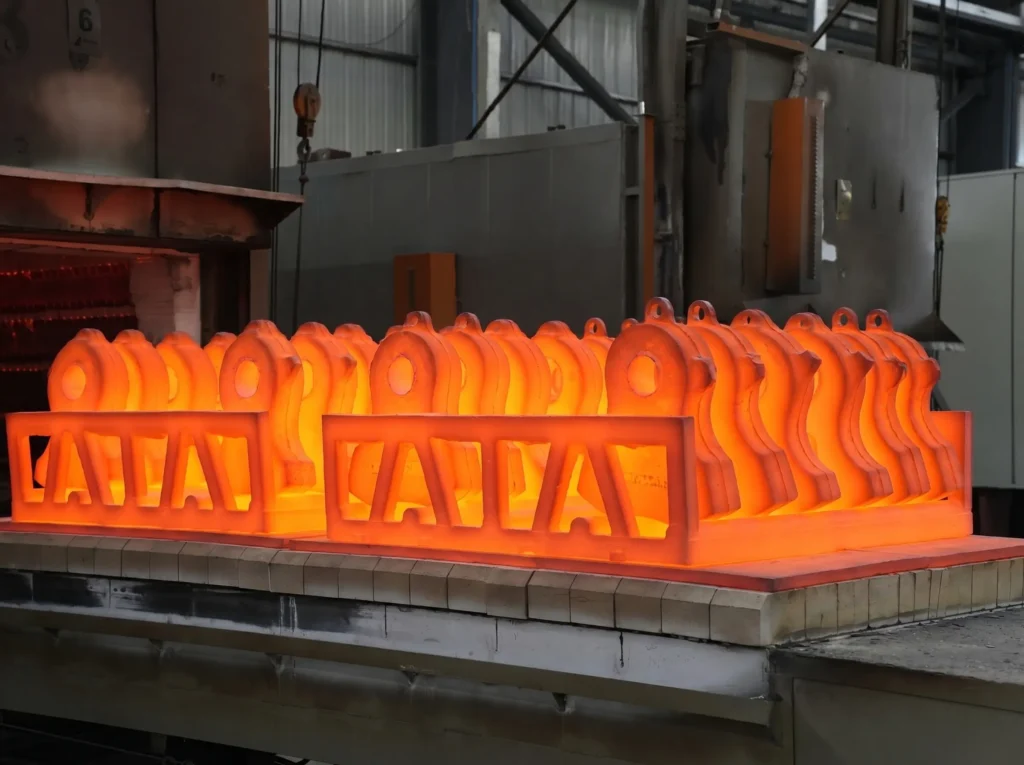
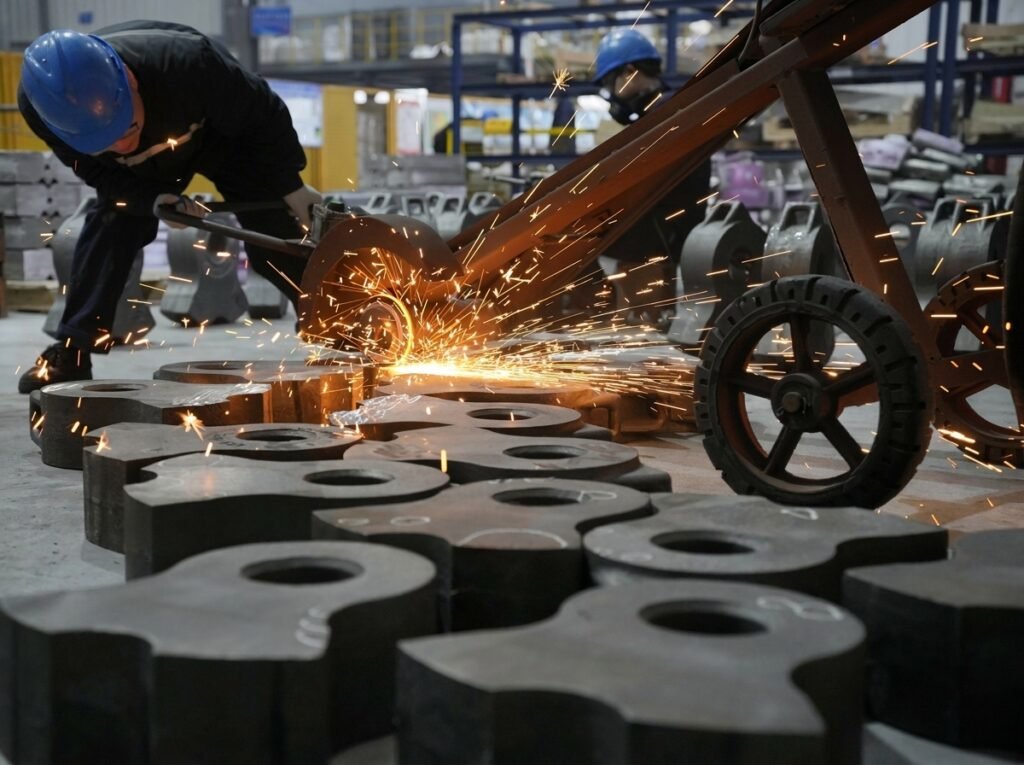
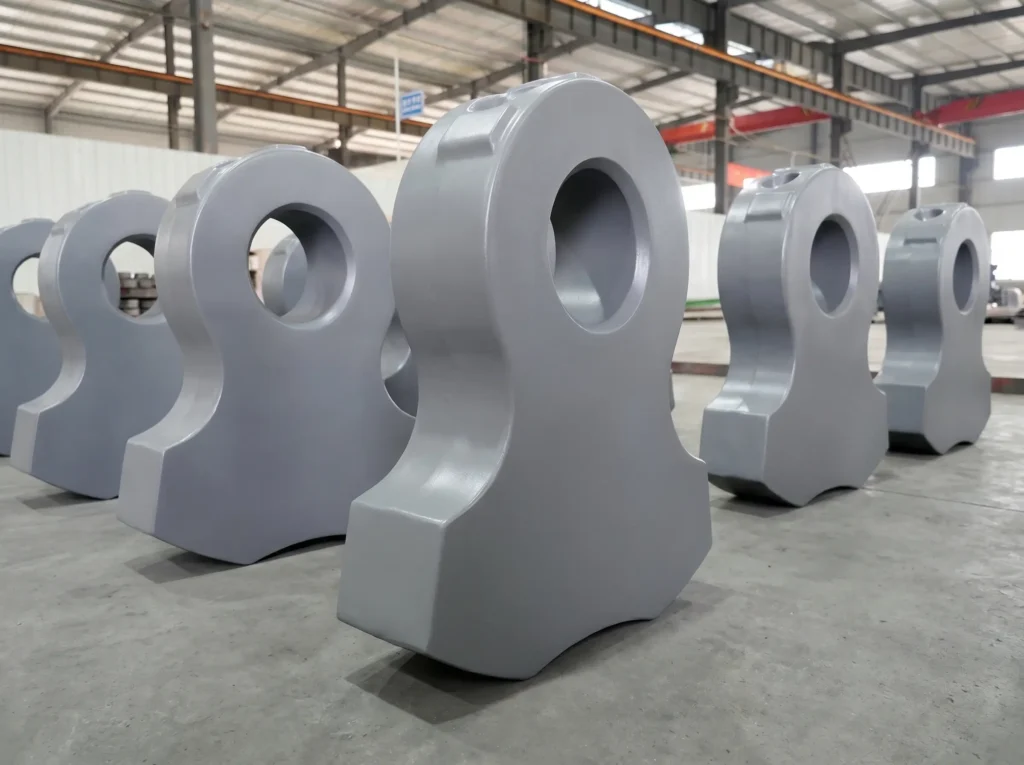
Shredder Hammer Gallery
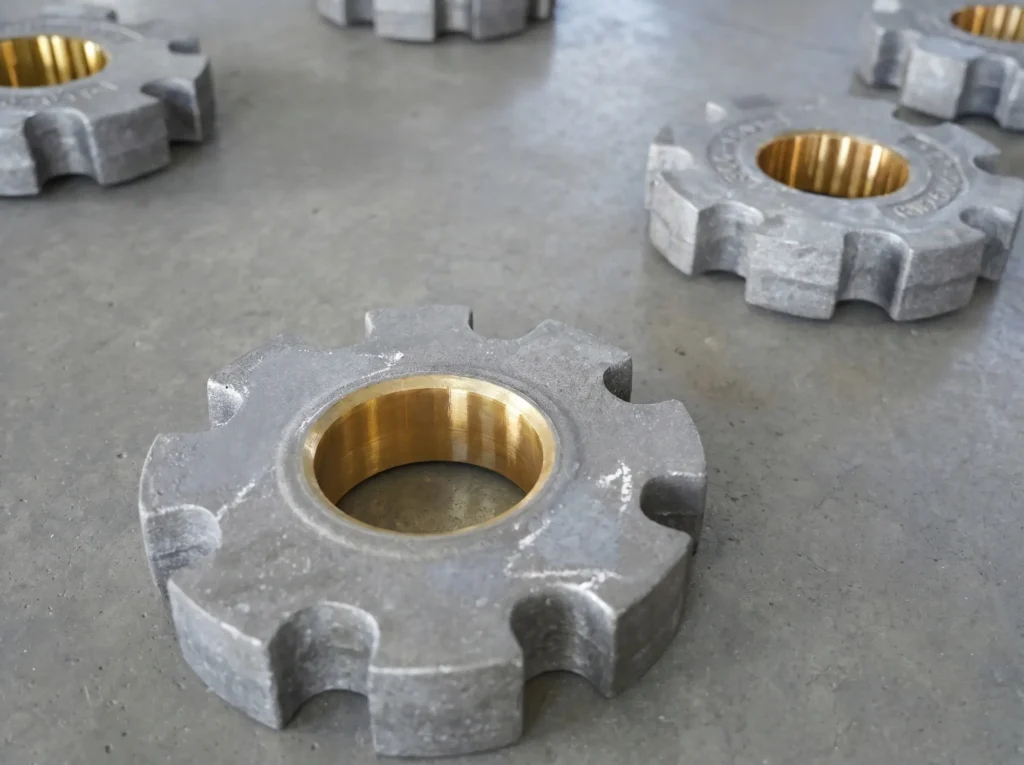
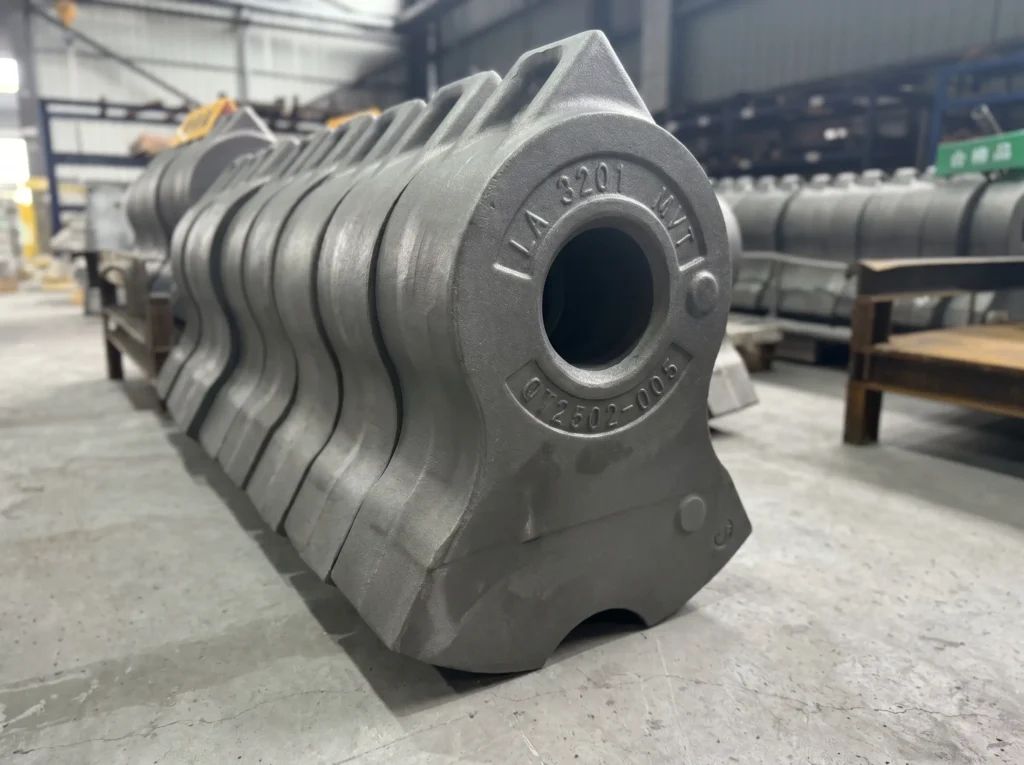
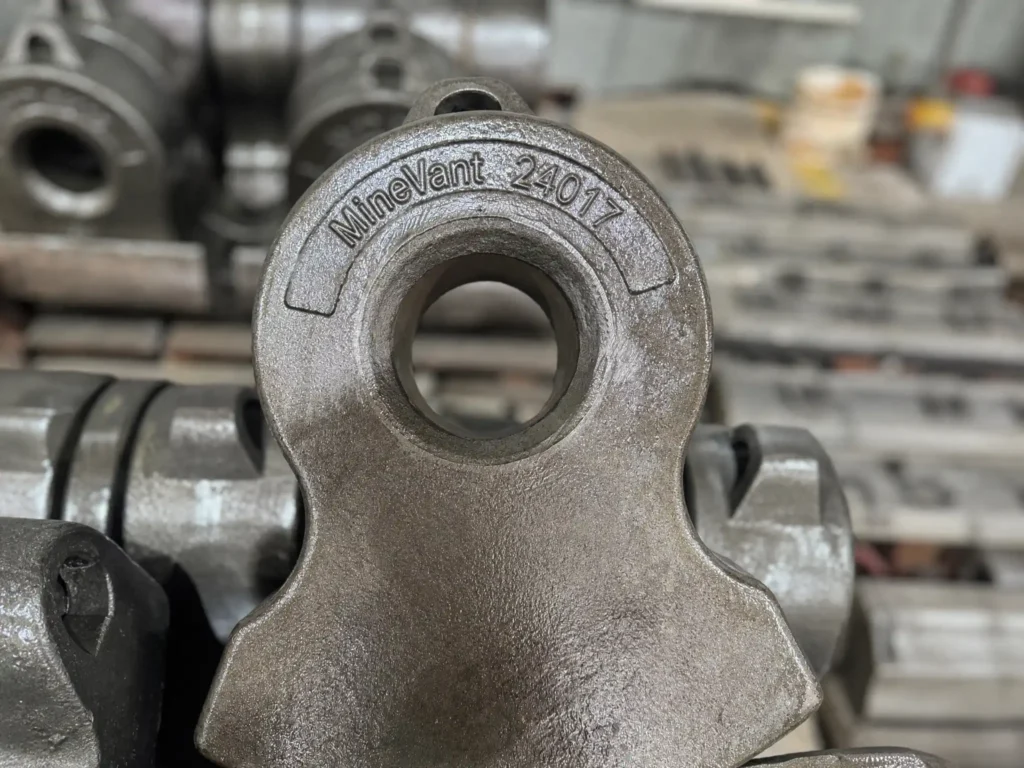
Explore our range of shredder hammers designed for scrap metal recycling and heavy-duty shredding applications. MINEVANT manufactures high manganese and alloy steel shredder hammers engineered for severe impact, tearing, and abrasive wear conditions. Our differential heat treatment technology helps improve wear resistance, reduce breakage risk, and extend hammer service life in demanding metal recycling operations.
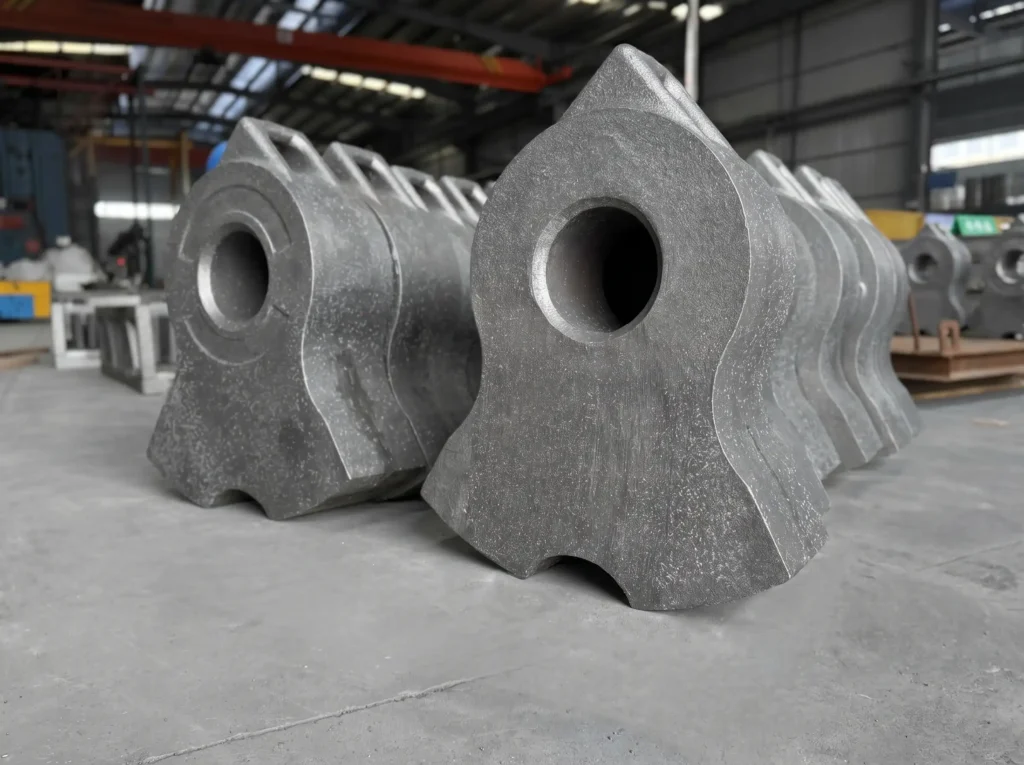
Shredder Hammer Materials
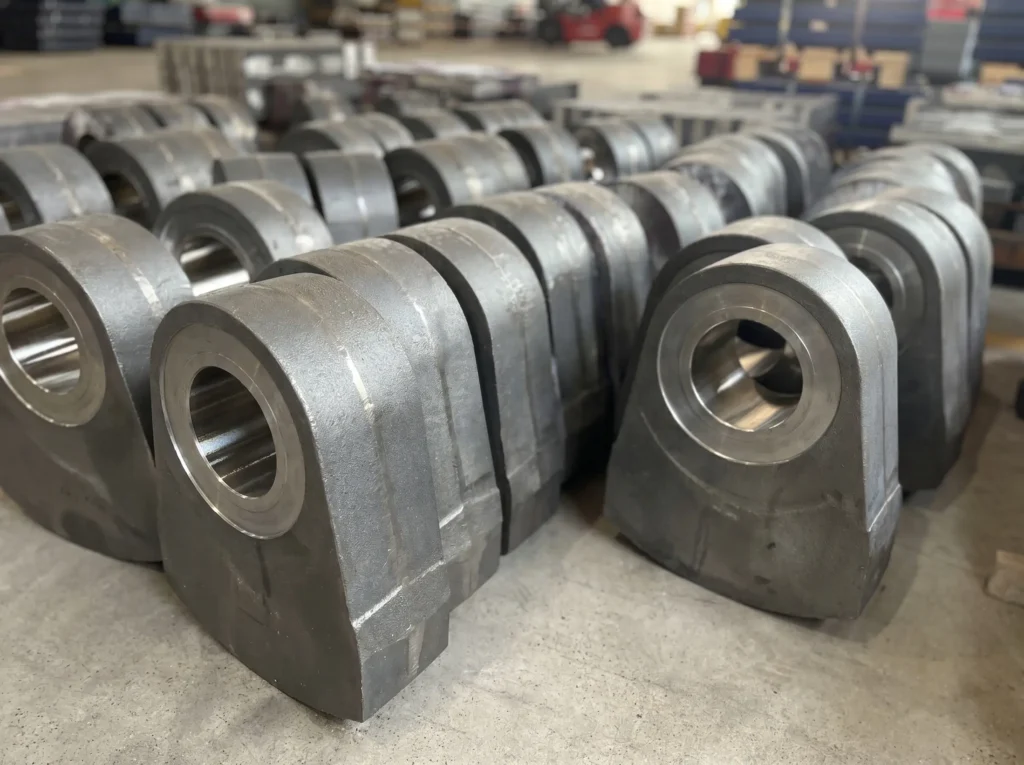
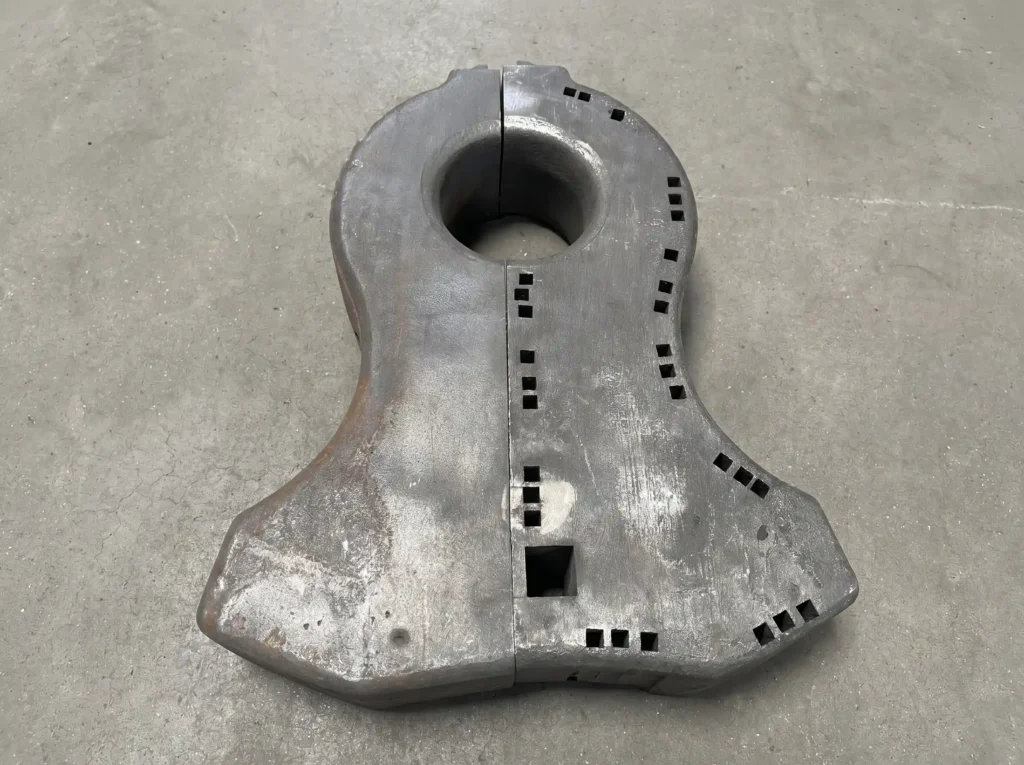
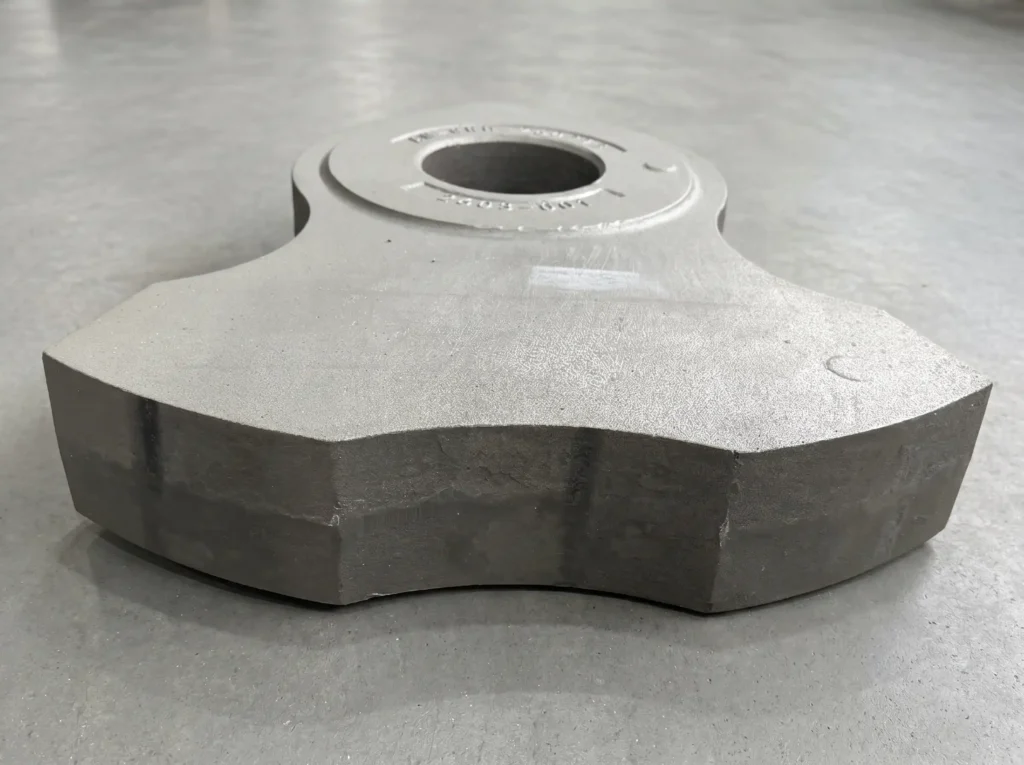
Alloy Steel Shredder Hammers
Alloy steel shredder hammers are designed for heavy-duty scrap metal recycling applications where extreme impact and severe abrasion occur simultaneously. Compared with standard high manganese hammers, alloy steel hammers provide significantly improved wear resistance and longer service life in demanding shredding conditions.
These hammers are widely used in auto shredders, scrap metal recycling systems, and heavy steel shredding applications where stable performance and reduced downtime are critical.
Advanced Heat Treatment Technology
Differential heat treatment creates a tougher mounting hole area while increasing hardness on the working surface. This improves wear resistance, extends hammer service life, and reduces breakage under extreme shredding impact conditions.
High Manganese Shredder Hammers
High manganese shredder hammers are designed for applications requiring high impact toughness and resistance to sudden shock loads. The material work-hardens during operation, helping absorb heavy impact energy while reducing the risk of cracking or catastrophic failure.
These hammers are commonly used in shredding applications with unstable feed materials, mixed scrap, or severe impact conditions where toughness is more important than maximum wear resistance.
Why High Manganese Hammers Are Still Used
High manganese shredder hammers are still widely used in applications with unstable feed materials and extremely high impact loads. Their excellent toughness helps absorb shock energy and reduces the risk of sudden hammer breakage under severe shredding conditions.
How to Choose Shredder Hammer Material
Selecting the proper shredder hammer material depends on scrap composition, impact load, feed stability, and wear conditions. The guide below helps match hammer materials to different metal shredding applications.
| Application Condition | Preferred Material | Typical Advantage |
|---|---|---|
| Mixed scrap, unstable feed, high impact | Mn13 High Manganese | Excellent toughness and resistance to sudden impact loads |
| Car bodies and light scrap shredding | Mn13 High Manganese | Reduces hammer breakage under unstable shredding conditions |
| Heavy steel scrap and abrasive materials | Alloy Steel | Improved wear resistance and longer service life |
| Heavy steel scrap and abrasive shredding | Alloy Steel | Extended wear life with stable performance |
| Continuous heavy-duty shredding | Alloy Steel | Differential heat treatment improves durability and stability |
| Applications requiring reduced downtime | Alloy Steel | Longer hammer life helps reduce maintenance frequency |
Important Material Selection Notes:
Shredder Hammer Maintenance & Inspection Tips
Proper shredder hammer maintenance and inspection are essential for maintaining rotor stability, reducing unexpected downtime, and extending hammer service life. Regular monitoring of hammer wear, mounting conditions, and operating loads helps improve shredding performance and equipment reliability.
Wear Monitoring
25–30%
worn
Uneven Wear
Monitor hammer wear regularly to reduce rotor imbalance and maintain performance.
50–60%
worn
Hammer Replacement
Replace heavily worn hammers before wear affects throughput or causes failures.
70–80%
worn
Stable Feed
Maintain scrap feeding conditions to reduce uneven hammer wear and excessive impact loading.
Installation & Balance
Rotor Balance
Hammer weight matching helps reduce vibration and protects bearings and rotor components.
Mounting Hole Inspection
Inspect hammer pin holes regularly for elongation, cracking, or abnormal wear during maintenance.
Differential Heat Treatment
Heat treatment helps maintain toughness around mounting holes while improving surface wear resistance.
Inspection
Crack Inspection
Inspect hammers regularly for cracks caused by severe impact and continuous heavy-duty shredding.
Pin & Fastener Check
Check hammer pins, locking parts, and fasteners for wear or looseness during scheduled maintenance.
Operating Condition Review
Review feed conditions and scrap composition regularly to reduce abnormal hammer wear and breakage risk.
Important Maintenance Notes:
⚠ Replace hammers in matched sets whenever possible to maintain rotor balance
⚠ Do not continue operating with severely cracked or heavily worn hammers
⚠ Regular inspection of hammer pins and mounting holes helps prevent unexpected failures
OEM COMPATIBILITY
Compatible Impact Crusher Models for Blow Bars
MINEVANT blow bars are manufactured to the dimensional tolerances of major HSI impact crusher models. Send your crusher model and rotor drawing for dimensional confirmation before ordering.
| OEM Brand | Models |
|---|---|
| Metso | NP-LT1007, NP-LT1110, NP13, NP15, NP1520, NP1620 |
| Hazemag | APK30, APK40, APK50, APK60, APK105, APK1006, APK1013, AP-PM1822, AP-PM2225, HAZ790, HAZ853, HPI2025 |
| Sandvik | CI124, CI224, QI340, QI341, QI353, QI441 |
| Kleemann | MR100Z, MR110Z, MR122Z, MR130Z, MR150Z, SHB10, SHB12, SHB13, SHB14 |
| Terex Finlay | I-100, I-110, I-120, I-130, I-140, IC110 |
| Terex Cedarapids | 5048 HIS, 5064 HIS |
| Terex Evoquip | Cobra 230, Cobra 260, Cobra 290 |
| McCloskey | I34, I44, I4C, I54 |
| Rubblemaster | RM60, RM70, RM80, RM90, RM100, RM120 |
| Keestrack | R3, R5, R6 KP, R6 KT, Destroyer 1112, Destroyer 1113 |
| KPI-JCI (ASTEC) | FT4240, FT4250, FT5260 |
| SBM | 1311, 1313, REMAX 200, REMAX 300, REMAX 400 |
| Rockster | R700, R900 |
| Hartl | 1060, 1270, 1310 |
| Eagle | 500, 1000, 1200, 1400, 1600 |
| Lippmann | 4248, 5165 |
| Striker | 907, 1112, 1312, 1315 |
| Tesab | RK1012, RK623, RK624 |
| IROCK | S3151-13-4, S3151-13-5 |
| Inertia | 4048, 5066 |
| Portafill | 7000-IC |
Model not listed? Contact MINEVANT with your crusher model, part number or blow bar dimensions. Our engineering team can manufacture custom blow bars according to drawings within 3–5 weeks.
All manufacturer names, part numbers and model descriptions are used for reference purposes only and do not imply any affiliation with the original equipment manufacturers.
Shredder Hammer FAQs
Find answers to common questions about shredder hammer materials, wear life, heat treatment, and scrap metal shredding applications.
Which shredder hammer material lasts longer?
Shredder hammer service life depends heavily on scrap composition, operating conditions, and hammer material selection.
High manganese shredder hammers (Mn13) provide excellent toughness and are suitable for unstable feed materials and high impact conditions.
Alloy steel shredder hammers typically offer longer wear life in heavy-duty scrap metal shredding applications due to improved wear resistance and optimized heat treatment.
Proper hammer design and heat treatment are critical for maximizing service life and reducing unexpected hammer breakage.
Why are alloy steel shredder hammers widely used in scrap metal recycling?
Alloy steel shredder hammers are widely used in scrap metal recycling because they provide improved wear resistance and longer service life compared with standard manganese hammers.
Through differential heat treatment, the hammer working surface maintains high hardness for wear resistance, while the mounting hole area retains toughness to reduce cracking and breakage risks.
This combination helps improve shredding efficiency and reduce maintenance downtime in heavy-duty metal recycling applications.
Do shredder hammers crack or break easily?
Shredder hammer cracking usually depends on material quality, heat treatment, scrap conditions, and operating practices.
Poor heat treatment or improper hammer design may lead to mounting hole cracking or excessive wear.
High-quality shredder hammers are engineered to balance hardness and toughness, helping reduce breakage risks during continuous heavy-duty shredding operations.
How often should shredder hammers be replaced?
Shredder hammer replacement intervals vary depending on shredder size, scrap composition, feed consistency, and hammer material.
In heavy-duty scrap metal shredding operations, regular inspection is recommended to monitor hammer wear, mounting hole conditions, and rotor balance.
Replacing worn hammers at the correct time helps maintain stable throughput, reduce vibration, and protect rotor components from excessive damage.
What information is required to quote shredder hammers?
To provide an accurate quotation for shredder hammers, the following information is typically required:
Shredder brand and model
Hammer dimensions or drawings
Hammer weight
Material preference (Mn13 or alloy steel)
Scrap application and operating conditions
Photos or sample parts if available
This information helps ensure proper fitment, material selection, and wear performance.
Which shredder brands are compatible with MINEVANT shredder hammers?
MINEVANT shredder hammers are manufactured for many scrap metal shredding systems worldwide.
We can produce replacement shredder hammers according to OEM drawings, sample parts, or customer specifications for various heavy-duty metal recycling applications.
Custom materials, heat treatment solutions, and hammer designs are available based on operating conditions and wear requirements.